
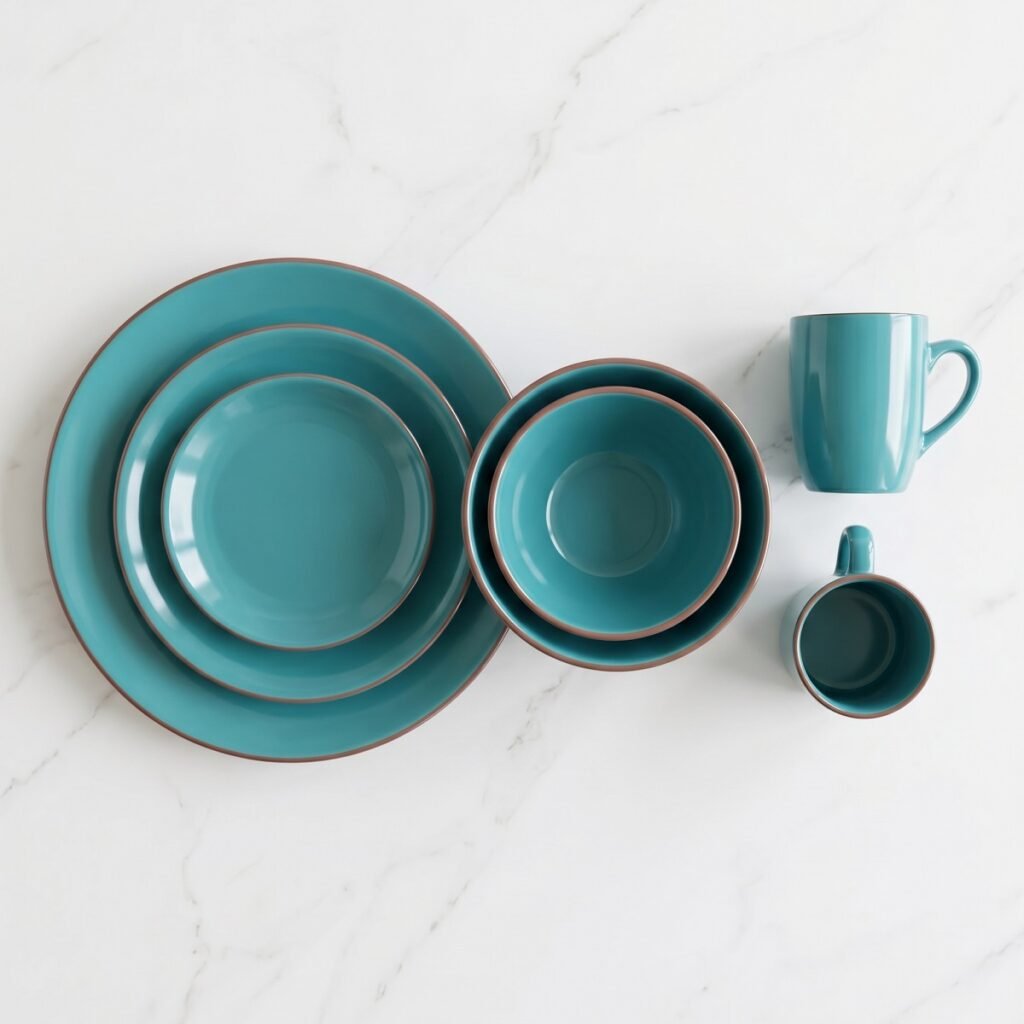
Choosing the right dinnerware is one of the most consequential—and most overlooked—decisions for any hotel, restaurant, or catering operation. The plates and bowls your guests see first set the tone for the entire dining experience, yet they also have to survive thousands of cycles in a commercial dishwasher without chipping, fading, or leaking harmful substances. This guide walks procurement managers and importers through the practical factors that separate tableware that looks good on day one from tableware that still looks good after two years of service.
Understand Your Service Style
Start with how and where the ware will be used. A fine-dining restaurant needs thin, elegant porcelain that frames the food; a busy hotel breakfast buffet needs thick, stackable stoneware that resists impact when guests stack and unstack it. Quick-service and outdoor venues may prefer melamine or reinforced ceramics. Defining the service environment first prevents over-buying fragile items that won’t last in your setting.
Material Matters: Porcelain vs Stoneware
For hospitality, the two workhorses are porcelain and stoneware. Porcelain is fired at higher temperatures, making it denser, brighter, and more chip-resistant—ideal for upscale venues. Stoneware has a warmer, rustic look and is generally more affordable, which suits casual dining and high-volume use. Both are excellent choices; the right one depends on your brand positioning and budget.
Durability and Chip Resistance
In commercial use, edge chipping is the number-one cause of replacement. Look for vitrified body (low water absorption, usually under 0.5%), reinforced rims, and rolled edges. Ask suppliers for their breakage rate data and whether pieces are tested for thermal shock (going from freezer to oven to dishwasher). A small premium for reinforced edges pays for itself in reduced replacement costs.
Glaze Safety and Certifications
Because dinnerware contacts food, glaze safety is non-negotiable. Confirm the products meet the standards for your target market—FDA, LFGB, EU 10/2011, or California Prop 65—with lead- and cadmium-free glazes. Reputable manufacturers provide test reports; if a supplier can’t, that’s a red flag.
Stackability and Storage
Back-of-house space is expensive. Choose shapes that stack securely without scratching, with foot rings that lift the base off the surface below. Lightweight pieces reduce staff fatigue and shipping weight, lowering your landed cost.
MOQ and Lead Time for Hospitality
Hotels often need consistent replenishment. Discuss minimum order quantities and whether the factory supports mixed-container loading so you can combine several shapes in one shipment. Plan lead times around your opening date or seasonal peaks—see our MOQ & lead time guide for typical timelines.
Work With a Manufacturer, Not Just a Vendor
A good partner helps you standardize shapes across your venues, keeps color consistent across reorders, and offers custom OEM/ODM options when you want a branded look. At Zibo Xuye Ceramics, we supply hotels and distributors worldwide with durable, certified tableware and low-MOQ flexibility.
Need a tailored quote? Tell us your venue type, expected volume, and target market—our team replies within 24 hours with samples and pricing. Request a quote →